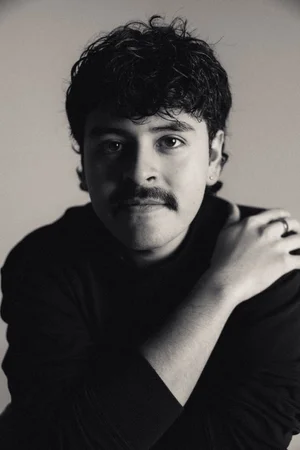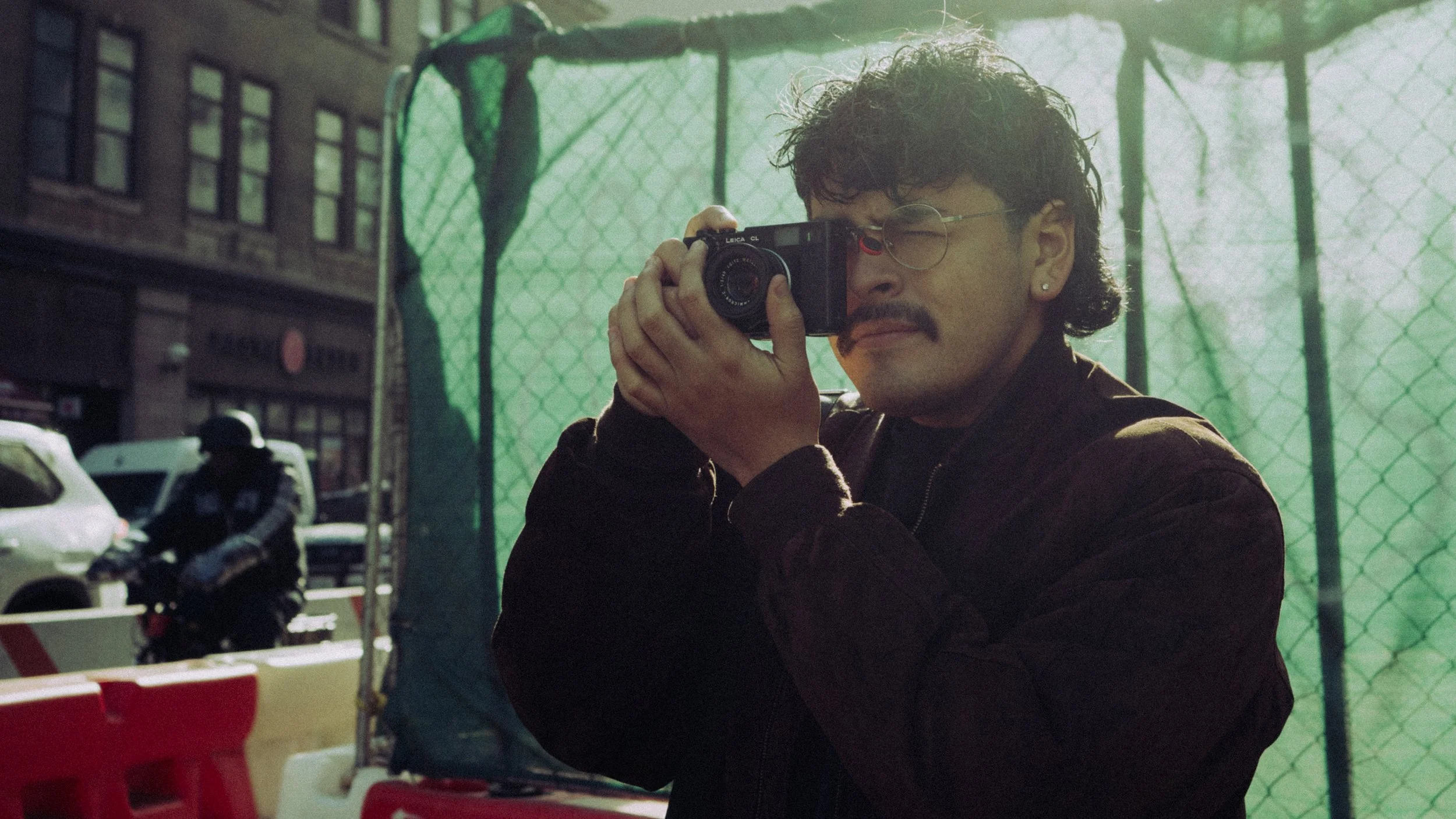
I woke up and drove one hour north, further even, into upstate New York. A month later, now just two days out from an exceptional display of cold in New Jersey and Manhattan, I miss what 48°F feels like on my hands and nose. I didn’t get out of my car until I arrived to Sherry’s Krauter’s space.
Sherry is a Leica technician with a life of memories just behind her and a career fixing cameras still at her feet.
Three knocks. A call. A polite peek through the window. No answer. I turned back toward my car when finally “Just come on in!” muffled through her glass panes. I walked back, put my hand on the door, and leaned the weight of my body forward.
Just at the entrance sat a chair, facing forward towards a woman in a powered wheelchair, a table full of trinkets, and a kitchen. Sherry fixed the spool, retimed the curtains, and adjusted the shutter on the Leica CL for a little over $100. We chatted for 4 hours over a 45 minute repair.
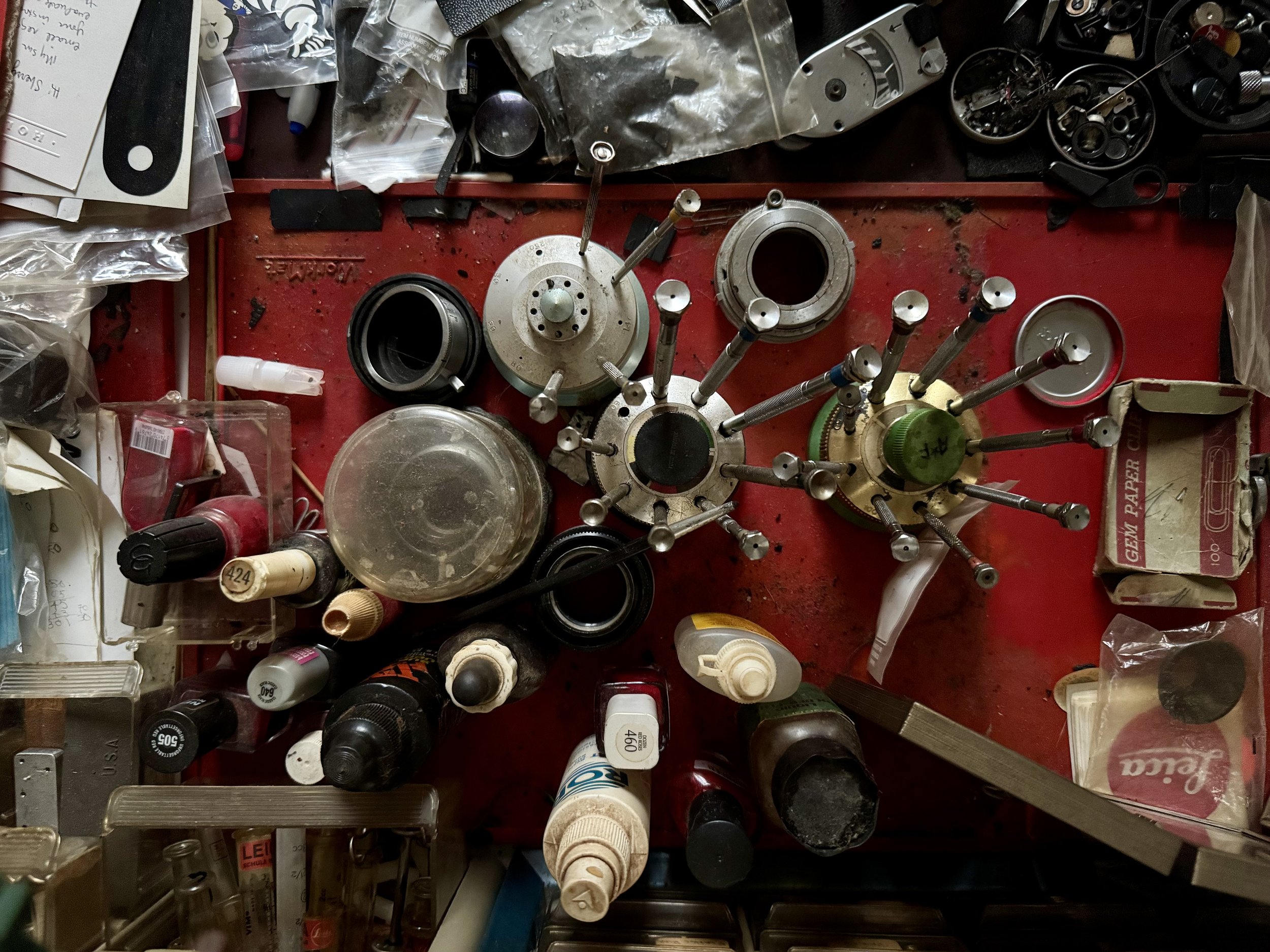
One of many desks in Sherry’s workshop.
She was generous to me in time and vulnerability. Sherry shared what it was like to a be a woman and a Leica tech through the 80s and 90s—about her time at Willoughby’s, working in a family member’s camera shop as a young girl, and her brief career as a photographer for LGBTQ magazines, specifically those involving men and what doors that opened for her, and of ones it quietly closed…
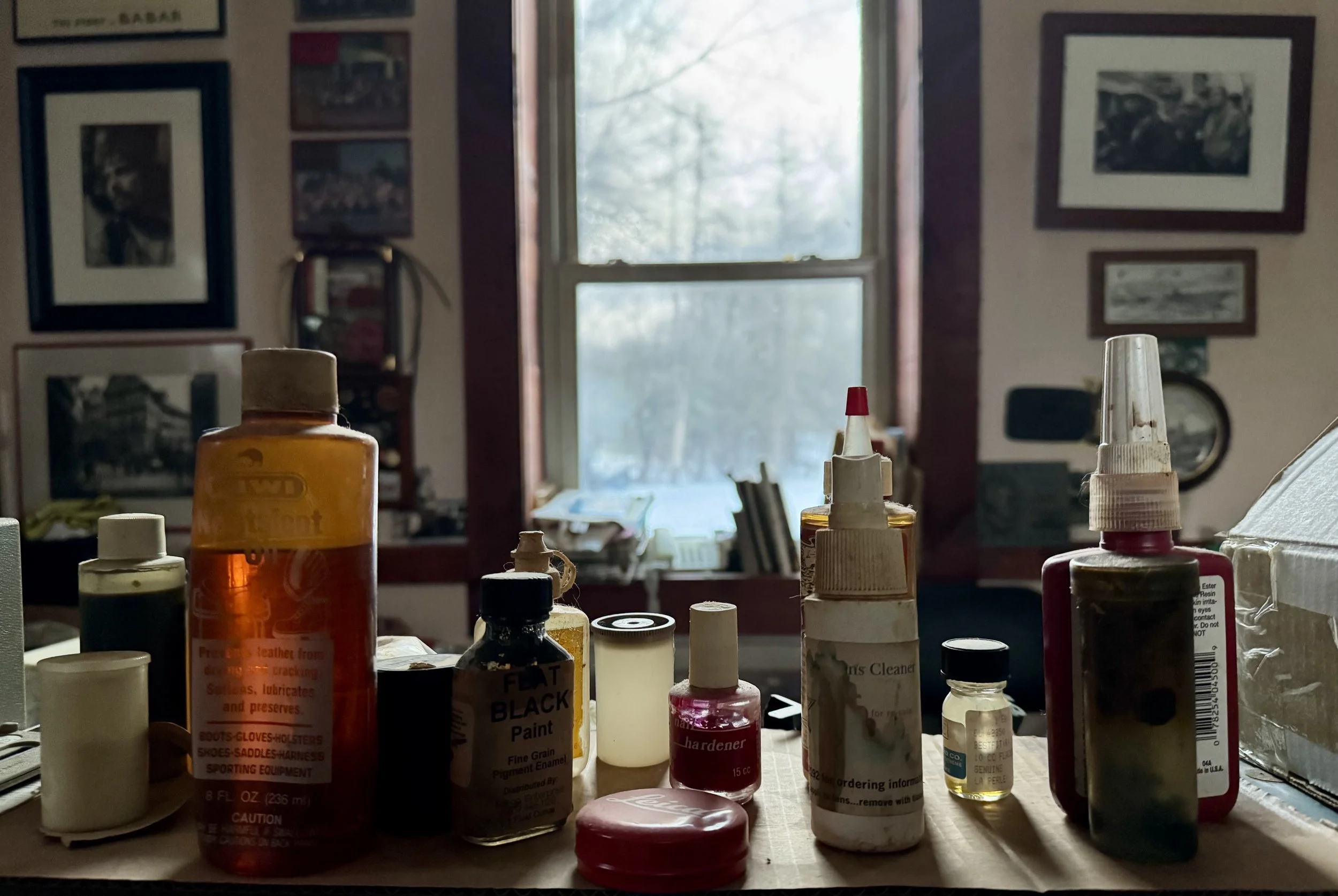
Oils and paints scattered on a table.
She scowled at the memory of men doubting her skills and ultimately trained those same men to be almost as capable as her. To love Leica, you have to love perfection, at least that’s what I took away from our conversation. This is the only context I know her in. To me, she is someone with a good heart and an open mind.
Many people have been asking what I look for in a subject, how I choose them, and when the perfect moment to press the shutter is. The truth is there is no good answer, at least not one that will fully satisfy those looking for an obvious “now” or “later”.
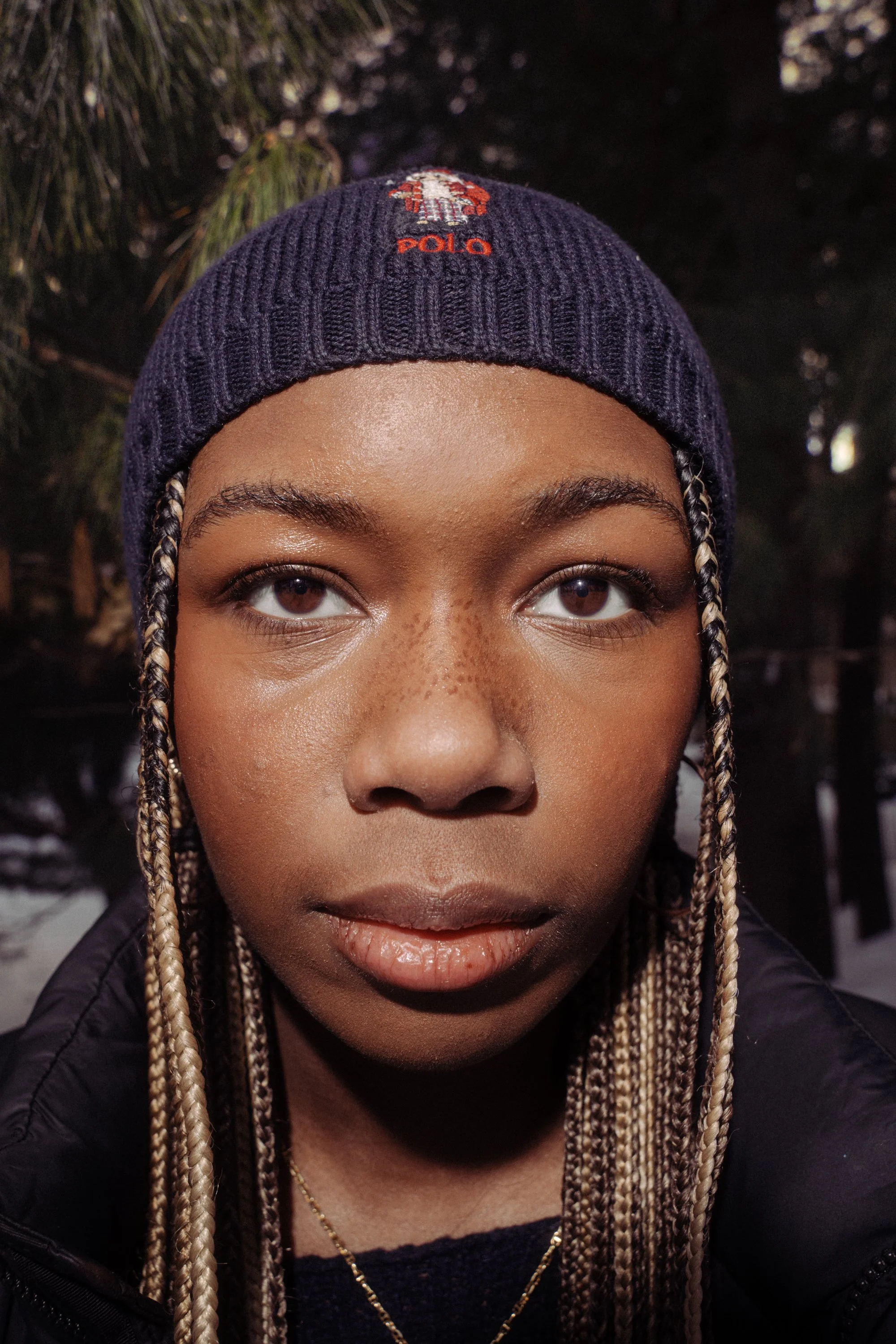
Photography, if you choose for it to be, is a full body experience. Beyond the physicality of putting yourself in the right place at the right time with the appropriate gear to execute your idea, we can choose to use empathy, timing, vision, and tenderness. With my portrait series, I look forward to interactions both good and bad. I look for the best in people, and sometimes that earns me an aggravated “NO” or a strange look
I’ve learned that most people want to be photographed. I can only assume it’s a kind of compliment. To me, it’s more of a trade. In these instances people give me their time, and I photograph with them with respect, avoiding shock, awe, or any idealized or romantacised version of them.
Sometimes I think I’ve got it all figured out, like I know exactly who to approach and who not to. Then I’m reminded that how I feel doesn’t matter. A question gets asked. A person responds. Ultimately a photo may or may not be made. For this series, it’s that simple.
As for what I look for, beyond gestures, colors, and light, I tend to seek out the energy of someone who knows themselves. “Main character energy,” if you want to call it that. This can manifest as wardrobe, expression, mannerisms, posture, or gaze. Sometimes I add all of these things up and I feel really comfortable, enough to ask a stranger “can I stick this camera in your face along with my blinding flash for just a few seconds” all before even learning their name. Other times I feel intimidated, and I do it anyway.
I meet these people for a brief moment, rarely does a full minute pass before a photo is made. I remember almost all of those I photograph, if not by name then by face. It’s important to remember that I, nor 99% of people watching truly know them. In a similar way, I don’t really know Sherry. It’s brief, important, and still a mystery.
I hope this offers a bit of insight. I’m happy to share anything I can because even if you had all of my gear—down to the color of my wrist strap—we would ultimately create two different things, with the same approach. I can’t walk in your shoes, and you can’t walk in mine.
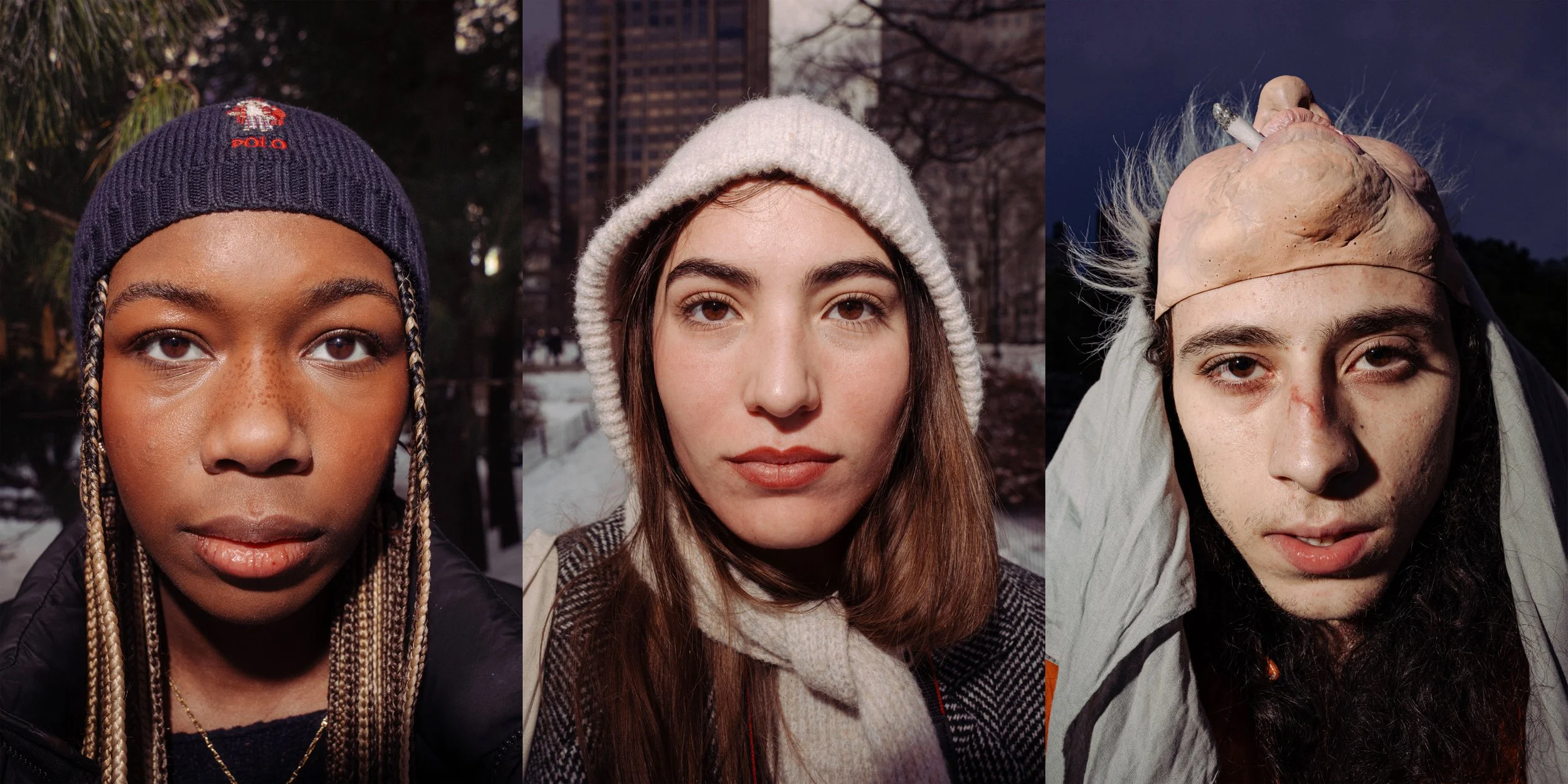
If you enjoyed reading this, I share reflections like these over on my Patreon—usually once a month—as voice notes recorded while I’m out shooting, often paired with a few images from the day. It’s a simple way to support the work and stay close to the process. Either way, thanks for being here and for reading. Check it out here!